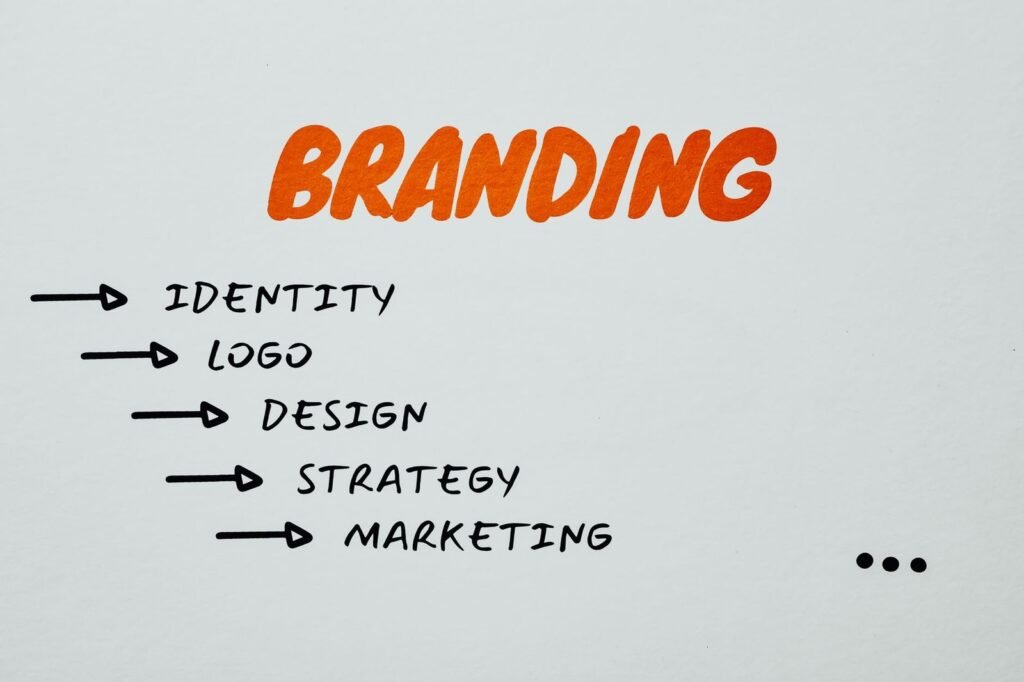
A strong corporate identity tells customers what a company stands for before anyone speaks. A corporate branding and graphic design package bd covers logo design, brand colors, typography, business cards, letterheads, and social media visuals. It gives a company one look across every place customers see it. What changes the answer is the size of the business, how many materials are needed, and whether the design is made once or updated over time.
What a corporate branding design package covers
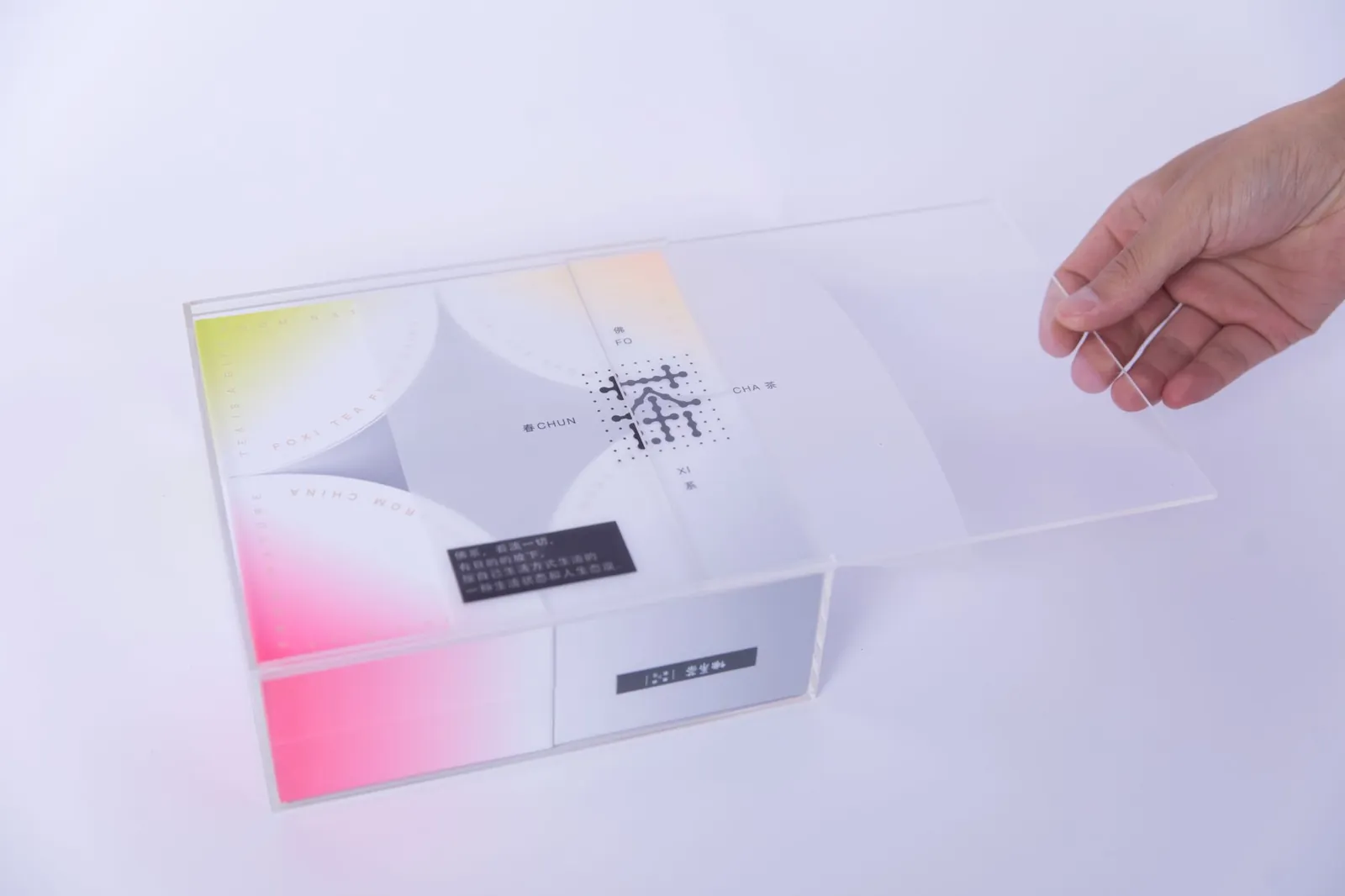
If you run a shop or an office in Bangladesh, you already have a name and a signboard. A corporate branding package turns that name into a visual system people can recognize. It starts with a logo, then adds brand colors, fonts, and templates for business cards, letterheads, invoices, and social media posts. Everything uses the same colors and the same style, so a customer who sees your Facebook post and then your shop front knows it’s the same business.
This isn’t just about looking pretty. Consistent visuals build trust. When your invoice matches your business card and your shop sign, customers feel they’re dealing with an organized company. The package also sets rules for how the logo appears on different backgrounds and at different sizes, so it never looks squashed or unclear.
How one business owner changed her look
If you have been using a free logo maker or a design a friend made years ago, you know the problem. Your business card doesn’t match your shop sign, and your Facebook cover uses different colors than your invoice. Customers hesitate because nothing looks connected.
One clothing shop owner in Dhaka faced exactly this. She had good clothes and loyal customers, but new people walked past without noticing her shop. Her logo was a low-resolution image from the internet, and her packaging had no design at all.
After she got a proper branding package — a new logo, a fixed color set, matching business cards, and social media templates — her shop front and her online pages finally spoke the same language. Within months, more new customers came in, and regular customers started recommending her to friends. The change wasn’t magic; it was simply that her business finally looked like itself.
What decides how your branding turns out
The result depends on three things that are different for every business.
First, clarity about who you are. If you can’t say in one sentence what makes your company different, the designer will guess, and the result will miss the mark.
Second, how many materials you need. A small business may need only a logo, business cards, and a letterhead. A growing company may also need packaging, vehicle signage, uniforms, and a full set of social media templates. More items mean more design hours and a longer timeline.
Third, who does the work. A freelancer may cost less but may disappear after the files are handed over. An established agency keeps your files, can reopen the project later, and understands the local market in Bangladesh. The choice changes both the price and what happens two years from now when you need a new banner.
Most business owners get the first point wrong. They think the package is about colors and fonts, but it’s really about decisions made before any design begins.
The steps to get your branding done
Here is how the process normally works, in the order it happens.
- Write down what your business does, who your customers are, and what you want them to feel when they see your brand.
- Choose a designer or agency and share your notes, examples you like, and any existing logo or sign you already use.
- Agree on what the package includes — number of logo concepts, rounds of changes, and the final materials you’ll receive.
- Review the first design concepts and pick the direction that fits your business, not just your personal taste.
- Ask for changes in clear, specific language instead of saying “make it pop” or “try something else.”
- Approve the final logo, colors, and fonts in writing before any other materials are designed.
- Receive the files in the right formats — vector files for printing and image files for screens and social media.
- Apply the same visuals to your shop sign, business cards, invoices, and online pages so everything matches.
The judgement call that separates a good result from one that merely looks finished is consistency. A beautiful logo on a business card means nothing if your Facebook page uses different colors and your shop sign uses a third style. The package only works when every customer touchpoint carries the same look.
The variations at a glance
Every business arrives at this decision from a different starting point. The table below covers the situations readers actually face.
| Situation | What to do | What it takes | What to watch for |
|---|---|---|---|
| New business, no logo yet | Full branding package | Several weeks | Rush decisions you later regret |
| Existing logo, old style | Logo refresh | Less time than full package | Losing recognition your customers already have |
| Need only business cards | Single material design | A few days | Cards that don’t match your other materials |
| Growing company, many materials | Full package plus brand guide | More design hours | Inconsistent use across teams |
| Low budget, tight timeline | Priority items first | Faster, lower cost | Gaps that look unfinished later |
| Rebranding after years | Full redesign | Careful planning | Confusing loyal customers |
| Online-only business | Digital-first package | Focus on screen formats | Print materials added later cost more |
How good branding differs from poor branding
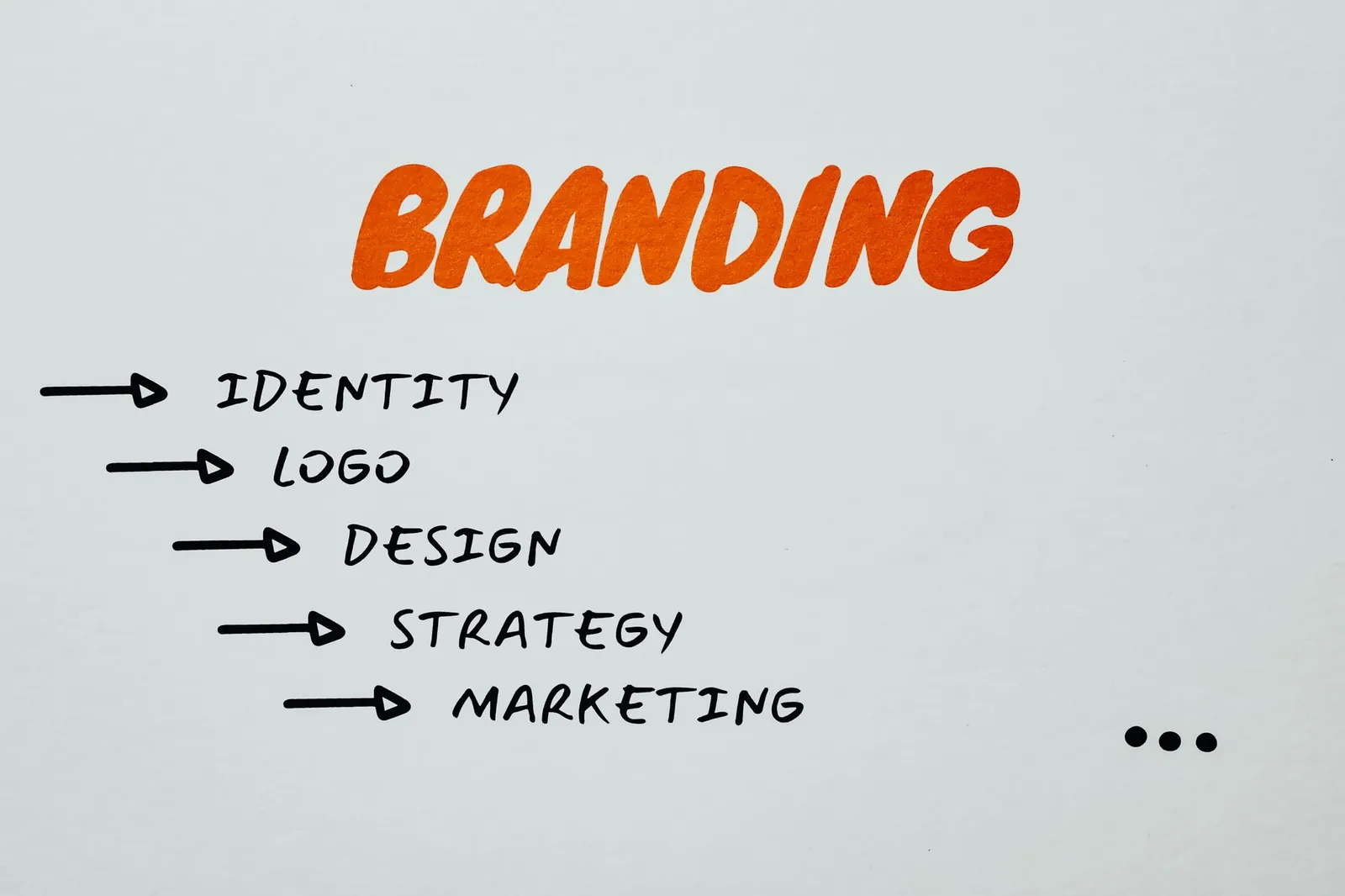
Preparation before design
Experienced business owners write down what their brand stands for before meeting a designer. They list three words they want customers to associate with the company. Beginners skip this and expect the designer to invent a personality from nothing. A clear brief saves time and reduces the number of changes needed later.
Order of work
Good branding locks the logo, colors, and fonts first, then applies them to business cards, letterheads, and social media. Poor branding designs each item separately, so nothing matches. The order matters because later materials copy the approved elements instead of reinventing them.
What gets checked during the process
A strong result is checked at real sizes — on a business card, on a shop sign, and on a phone screen. A logo that looks good on a large monitor can become unreadable when shrunk. Checking early prevents expensive reprints later.
What is deliberately left alone
Experienced owners don’t change colors or fonts just because they’re bored with them. Consistency builds recognition over time. Changing visuals too often forces customers to relearn what your business looks like.
What goes wrong and what to do
| What you notice | What it usually means | What to do first | How to stop it happening again |
|---|---|---|---|
| Logo looks blurry | Wrong file type | Request vector files | Always keep master files safe |
| Colors differ on screen and print | No print proof | Ask for a printed sample | Approve proofs before full print run |
| Business cards don’t match signage | No brand rules | Create simple usage guide | Apply one style to all materials |
| Designer is unreachable | No agreement on support | Choose a local provider you can meet | Confirm who holds the files after handover |
Most of these problems show up after delivery, when the cost of fixing them is highest. A logo that looks sharp on your website but soft on a banner almost always came as a flat image, not a vector file, so ask for vectors before you pay the final invoice.
Screen colors are light, and printed colors are ink, so a file that looks right on your monitor can shift once it hits paper. Request a printed proof from your printer, not a screenshot, and check it under daylight before approving the run.
Mismatched cards and signs are rarely a design failure. They happen when each supplier works from memory instead of one reference. Keep a single page showing the logo’s clear space, approved colors and fonts, and send it to every printer and sign maker you use. If you hire a designer again later, make the guide part of the handover, not an afterthought.
A designer who stops answering usually left without clarity on who owns the files and who handles changes. Before work starts, agree in writing on the post-delivery support window and on where the source files will be stored. A provider you can visit in person tends to be easier to reach when something breaks, so weigh that against any savings from a distant option.
The rules that apply
No government agency in Bangladesh sets a legal standard for what a corporate branding package must include. There’s no official price list or required license for graphic designers offering this service. That means the terms are whatever you and the designer agree on in writing, so the agreement carries more weight than any standard you might assume exists.
Before starting, check these five things for your own case: the designer’s portfolio, the number of revision rounds included, the file formats you’ll receive, who owns the final logo files, and the timeline for delivery. Ask to see examples of work the designer has done for other businesses in Bangladesh. Look at whether those businesses resemble yours in size and sector, because a designer who has handled similar clients is more likely to understand your needs.
Ownership is the point most often left vague. If the contract doesn’t say that the final logo files transfer to you once you have paid, you may find the designer still controls them. Get that clause in writing before any work begins.
If the next step needs a trade license for your shop or a trademark for your logo, that’s handled by the relevant local authority, not by the designer. A designer can prepare the artwork, but only the registering authority can grant the license or the trademark. Keep that separate in your planning so you don’t assume the design fee covers registration.
What it costs you
Money figures for design work in Bangladesh vary widely and change over time, so no single price can be stated here with confidence. What moves the cost up or down is the number of items in the package, the experience of the designer, and how many rounds of changes are allowed.
A logo alone costs less than a full identity with business cards, letterheads, and social media templates. Instead of guessing a figure, ask two or three local providers for a written quote based on the exact list of materials you need. Time is the other cost: expect the full process to take from one week for a simple job to several weeks for a complete identity, depending on how quickly you give feedback.
Keeping it right afterwards
Once your branding package is finished, keep the master files in one safe place — the vector logo files, the color codes, and the font names. Use the same colors and fonts on every new material, from invoices to Facebook posts. The sign that your branding needs attention is when new materials start looking different from the old ones — a new shade of blue, a different font, or a stretched logo.
Put it right by going back to the approved files rather than redesigning from scratch. There’s no fixed schedule for refreshing a brand; many businesses review theirs every few years, but the right time for you depends on whether your business has changed and whether customers still recognize you.
When branding isn’t the right approach
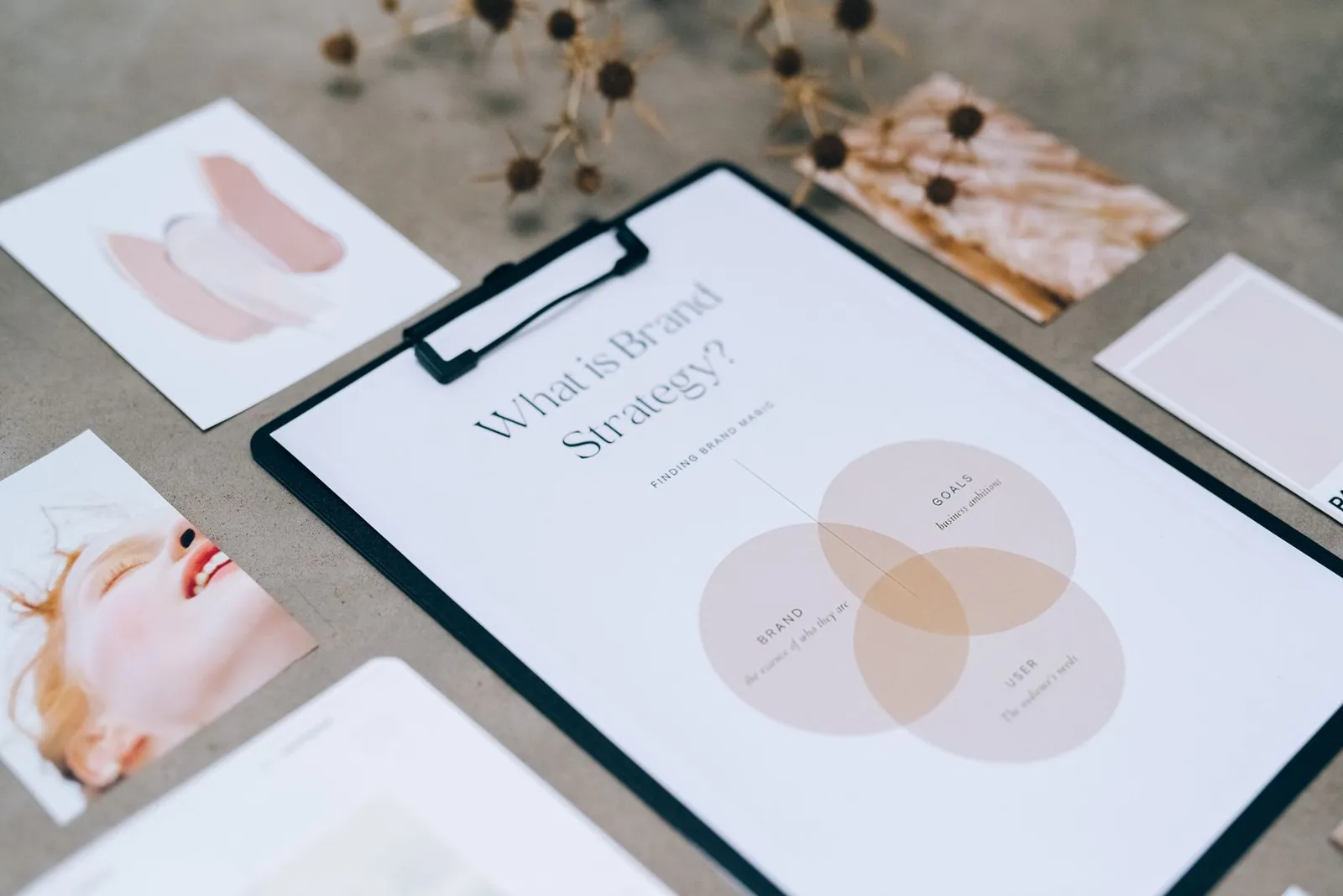
If your business has no customers yet and no product to sell, a branding package won’t create demand. Fix your offering first, then design the look. A logo can’t tell people what you sell or why they should trust you, and no palette will fill an empty calendar.
Test a small version of the offer with real buyers, even if it’s only a few clients or a pop-up stall, and let what they actually ask for shape the message you later put on paper.
If you need a website, an accounting system, or inventory software, those are separate problems that a design package doesn’t solve. A designer can make your website look polished, but the site still needs hosting, working checkout, and content that answers real questions. Bookkeeping and stock tracking run on different tools altogether. Treat each one as its own purchase with its own decision.
If your budget can cover only one thing right now, spend it on the part of your business that touches customers most directly. For a shop or service on a street, that’s usually a clear signboard that can be read from across the road.
For a business that meets clients in person or over the phone, a simple business card with a legible name, phone number, and one line about what you do often does more work. Add the rest later, once you can see which pieces people actually notice.
A branding package is a tool for a business that’s already operating, not a substitute for a business plan. Use it to present something that works, not to hide the fact that it doesn’t yet exist.
Frequently asked questions
What does a corporate branding and graphic design package include?
It usually includes a logo, brand colors, fonts, business cards, letterheads, and social media visuals. The exact list depends on what you agree with the designer.
How long does it take to complete?
A simple package can take about one week, while a full identity with many materials may take several weeks. The speed depends on how quickly you give feedback on each design.
Is it safe to use a free online logo maker?
Free tools can make a mark, but they don’t give you exclusive rights or a full visual system. Your logo may look like thousands of others made with the same tool.
What happens if I use different colors on each material?
Customers may not recognize your business across different places. Inconsistent visuals weaken trust and make the company look disorganized.
Does it matter who owns the logo files?
Yes. You should own the final files so you can reuse them with any printer or designer in the future. Confirm this before work begins.
Can I update my branding later without starting over?
Yes, if you keep the master files and the brand guide. Small updates cost less than a full redesign when the original files are available.
Why do some packages cost much more than others?
Price moves with the number of materials, the designer’s experience, and how many changes are included. Ask for a written quote based on your exact list.
What to do next with your branding
Start by writing down what your business stands for and who your customers are. Keep it to a few plain sentences that a stranger could read and understand. This short statement becomes the reference point for every decision that follows, from the colors on your signage to the tone of your product descriptions. Without it, a designer has to guess, and guesses tend to drift into a look that suits no one in particular.
Next, gather the materials you already use. Pull together your current logo files, any printed cards or menus, photos of your storefront or products, and the web pages customers see first. Lay them side by side and note what you like and what confuses you.
You may find three different blues, two fonts that fight each other, or a logo that looks sharp on a screen but blurry on a banner. Those observations give your designer a concrete starting list instead of a vague wish for something “more modern.”
Expect a clearer, more consistent look across your shop, cards, and online pages. The sign that it’s working is simple: new customers recognize you at a glance, even when they see your business for the first time on a bus poster or a social media feed. Recognition builds slowly, so judge the result after your materials have been in use for a while, not on the first day you receive the files.
Stop and get help from a professional designer if the visuals no longer match or if you need files you don’t have. If your signboard, website and receipts each look like they came from a different business, a designer can align them without starting over. If you need print-ready or web-ready versions and you only hold low-resolution images, a designer can rebuild them properly. Doing this yourself with the wrong file type often costs more time than it saves.
One Stop IT Solutions offers branding and design support for businesses in Bangladesh. You can explore their services at onestopitbd.com/service/ and their e-commerce solutions at onestopitbd.com/service/software-system/e-commerce-solution/.