
Are you struggling to get your brand noticed online? A strong social media marketing strategy can change that.
It’s not just about posting regularly; it’s about making every post count. When you know how to connect with your audience, you turn casual browsers into loyal fans. You’ll discover simple steps to build a strategy that boosts your visibility, drives engagement, and grows your business.
Keep reading to unlock the secrets that will make your social media work harder for you.

Crafting A Targeted Approach
Crafting a targeted approach is key to a strong social media marketing strategy. It helps you reach the right people with the right message. Focus on clear steps to guide your efforts and boost results. This section explains how to identify your audience, set clear objectives, and choose the best platforms for your campaign.
Identifying Your Audience
Knowing who your audience is shapes your entire strategy. Think about their age, location, interests, and problems. This helps create content that speaks directly to them. Use tools like surveys and social media analytics to gather this information. The clearer your audience profile, the better your message will connect.
Setting Clear Objectives
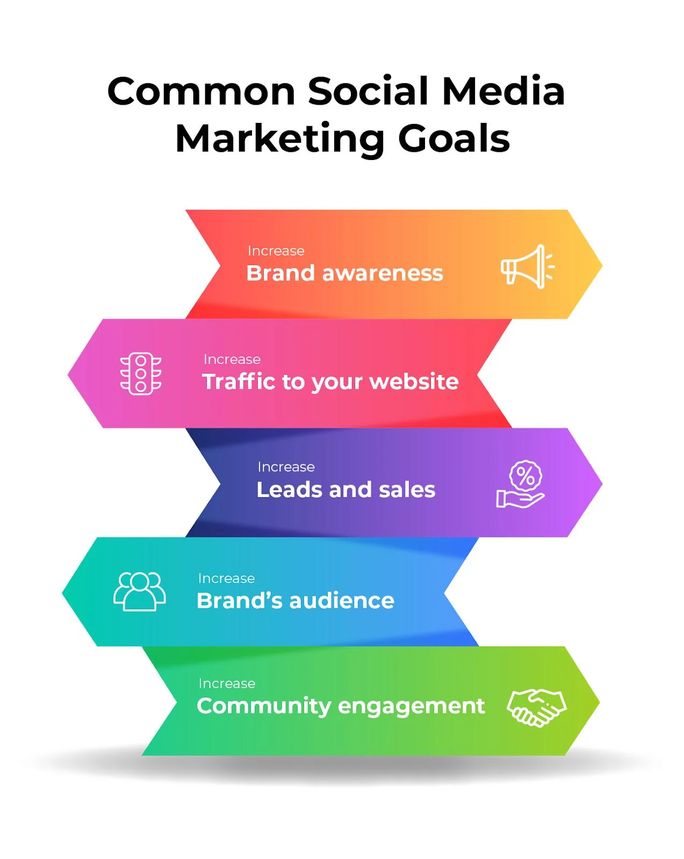
Define what you want to achieve with your social media efforts. Goals can include growing followers, increasing engagement, or driving sales. Make objectives specific, measurable, and time-bound. Clear goals guide your content and help track success. Without clear targets, your strategy can lose direction.
Choosing The Right Platforms
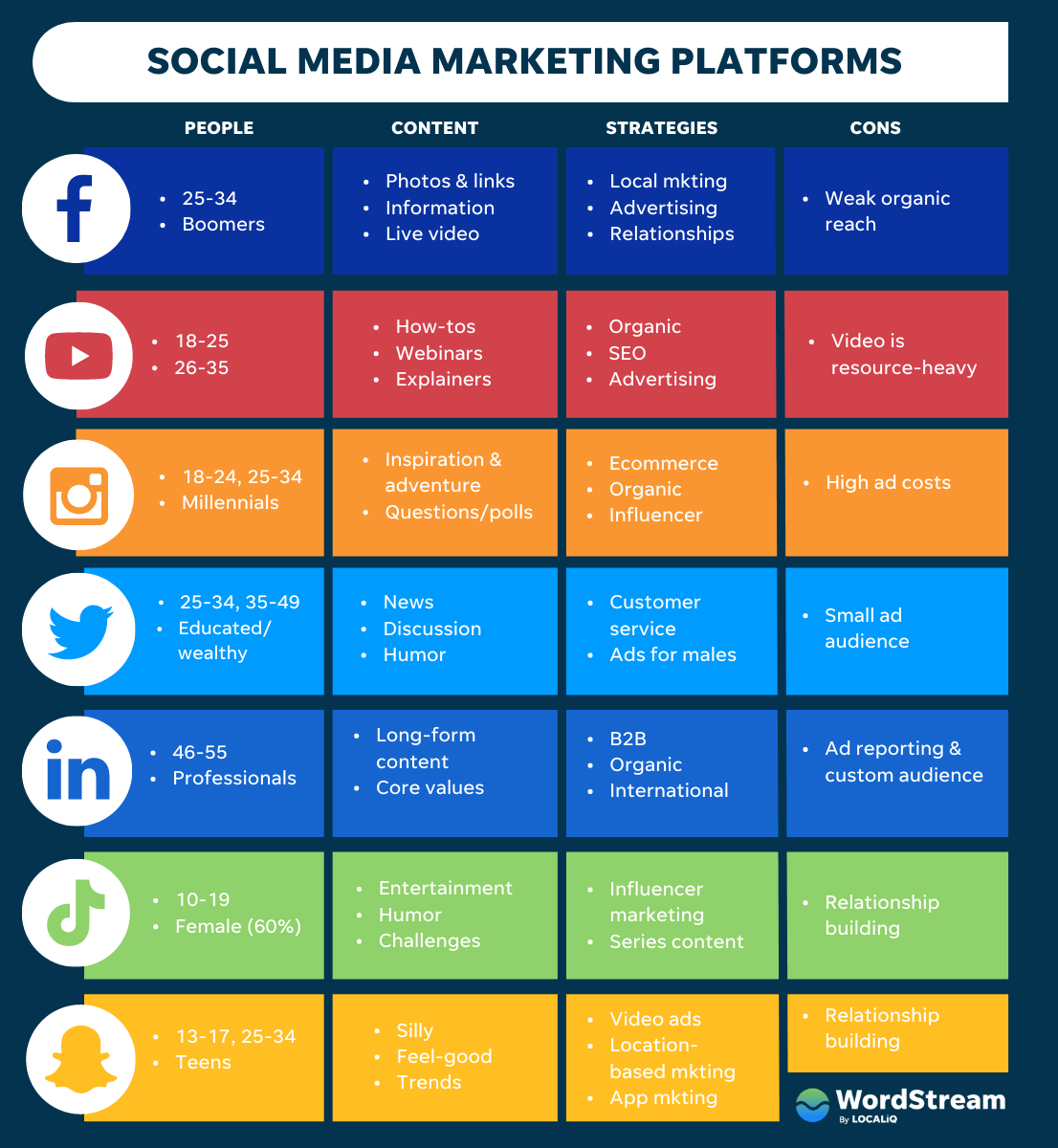
Not all social media platforms suit every business. Pick platforms where your audience spends time. For example, Instagram works well for visual brands, while LinkedIn suits B2B companies. Focus on quality over quantity by mastering a few platforms. This ensures better engagement and efficient use of resources.
Creating Engaging Content
Creating engaging content is the heart of any social media marketing strategy. It helps capture attention and keeps your audience interested. Engaging content encourages people to interact, share, and remember your brand. Focus on making content clear, useful, and enjoyable to boost your social presence.
Types Of Content That Captivate
Different content types attract different users. Posts with tips and how-tos offer value. Stories and personal experiences build trust and connection. Polls and questions invite interaction and feedback. Mix these types to keep your feed fresh and lively.
Leveraging Visuals And Videos
Images and videos grab attention quickly. Bright colors and clear visuals make posts stand out. Short videos explain ideas faster than text. Use captions to help users understand without sound. Visual content is easy to share and remember.
Incorporating User-generated Content
User-generated content shows real people using your products. It builds trust and authenticity. Encourage followers to share photos or reviews. Share this content on your page to create community. It makes users feel valued and part of your brand story.
Optimizing Posting Schedule
Optimizing your posting schedule is key to successful social media marketing. It helps you reach more people and keep your audience engaged. Posting at the right time increases the chances your content gets noticed. A good schedule balances timing, frequency, and consistency. This section explains how to find the best times to post, how often to share content, and how to use data to improve your timing.
Best Times To Post
Posting when your audience is active boosts visibility. Different platforms have different peak hours. For example, Facebook users are often online in the afternoon. Instagram tends to see more activity in the evening. Weekends may work better for some networks. Testing various times helps find your own best posting windows.
Frequency And Consistency
Posting too often can annoy followers. Posting too little can make them forget you. Aim for a steady pace that fits your resources. Regular posting builds trust and keeps your page fresh. Consistency matters more than frequency. People expect updates at a certain rhythm and stick around when you deliver.
Using Analytics For Timing
Social media analytics show when your audience interacts most. Use these insights to adjust your schedule. Track likes, comments, and shares by time of day. Analytics also reveal which posts perform best. Use this data to post similar content at similar times. This method improves reach and engagement over time.
Boosting Engagement Tactics
Boosting engagement is key to a strong social media marketing strategy. Higher engagement means more visibility and trust. It helps build a loyal community around your brand. Simple and creative tactics can increase likes, comments, and shares. These actions keep your audience active and interested.
Interactive Posts And Polls
Interactive posts invite users to join the conversation. Questions, quizzes, and polls encourage participation. Polls are easy and fun for followers to answer. They give quick feedback and show you value opinions. This approach makes your content more attractive and shareable.
Responding To Comments
Replying to comments shows you care about your audience. It creates a personal connection and builds trust. Quick and friendly responses encourage more people to comment. Ignoring comments can make followers feel unimportant. Active communication helps keep the conversation alive.
Running Contests And Giveaways
Contests and giveaways excite followers and attract new ones. They motivate users to engage by liking, sharing, or tagging friends. Clear rules and valuable prizes boost participation. These campaigns increase reach and create buzz around your brand. They also reward loyal followers and encourage repeat visits.
Driving Sales Through Social Media
Social media is a powerful tool for increasing sales. It connects brands directly with customers. Using social platforms smartly can boost product visibility and encourage purchases. The key is to use strategies that guide users from browsing to buying. Below are effective methods to help turn social media activity into sales growth.
Integrating Shoppable Posts
Shoppable posts let users buy products without leaving the app. They provide a smooth shopping experience. Brands add product tags to images or videos. Shoppers tap on these tags to see prices and details. This cuts down steps between seeing and buying. Easier access to products leads to more sales. Many platforms now support this feature, making it essential for online sellers.
Using Influencer Partnerships
Influencers have loyal followers who trust their opinions. Partnering with influencers can introduce products to new audiences. Influencers showcase items in real-life settings. Their recommendations seem personal and genuine. This builds trust quickly with potential buyers. Choose influencers whose followers match your target market. Genuine endorsements can increase interest and sales.
Implementing Paid Advertising
Paid ads target specific groups based on interests and behavior. This helps reach potential customers more effectively. Ads can promote new products, sales, or special offers. Social media platforms offer detailed analytics to track performance. Adjusting ads based on data improves results. Investing in paid ads can drive traffic and increase conversions.
Measuring Success
Measuring success is a crucial part of any social media marketing strategy. It helps you know what works and what does not. Tracking results lets you improve your campaigns and reach your goals. Data shows where to focus your efforts next.
Key Metrics To Track
Focus on metrics that match your goals. Engagement rate shows how people interact with your content. Reach tells how many people see your posts. Click-through rate reveals how many visit your website from social media. Conversion rate tracks how many complete desired actions. Followers growth indicates your brand’s expanding audience.
Analyzing Campaign Performance
Look at the data regularly to understand your campaign’s strength. Compare different posts and times to find patterns. Identify which content types get the most attention. Check if your ads bring good results. Spot trends that can guide future efforts.
Adjusting Strategy Based On Data
Use insights to improve your marketing plan. Stop tactics that do not work well. Increase focus on successful content and channels. Try new ideas supported by data findings. Keep testing to keep your strategy fresh and effective.
Frequently Asked Questions
What Is A Social Media Marketing Strategy?
A social media marketing strategy is a plan to grow your brand online. It defines goals, target audience, content types, and posting schedules. This strategy helps businesses engage users, increase visibility, and boost conversions effectively across platforms.
How Do I Create An Effective Social Media Plan?
To create an effective plan, identify your audience and set clear goals. Choose platforms that match your audience, create engaging content, and schedule posts consistently. Regularly analyze results to optimize your strategy for better engagement and ROI.
Why Is Content Important In Social Media Marketing?
Content drives engagement and attracts your target audience. Quality content builds trust, educates, and entertains followers. It encourages shares and conversations, increasing your brand’s reach and visibility across social media channels.
How Often Should I Post On Social Media?
Posting frequency depends on your audience and platform. Generally, 3-5 posts weekly keep followers engaged without overwhelming them. Consistency is key to maintaining visibility and building a loyal community over time.
Conclusion
A strong social media marketing strategy drives real results. Choose clear goals and know your audience well. Create content that speaks simply and clearly. Post regularly to keep followers interested and engaged. Track your progress and change tactics when needed.
Social media is about building connections and trust. Stay patient and consistent for steady growth. Keep learning and adapting to new trends. Success comes with effort and smart planning. Your brand will grow with time and care.