Are you looking to boost your website’s visibility beyond your own pages? Off-page SEO techniques hold the key to building your site’s reputation and authority across the web.
By mastering these strategies, you can attract more visitors, gain trust from search engines, and climb higher in search results. You’ll discover simple yet powerful off-page SEO methods that anyone can use to grow their online presence. Keep reading to unlock the secrets that can take your website to the next level.
Link Building Tactics
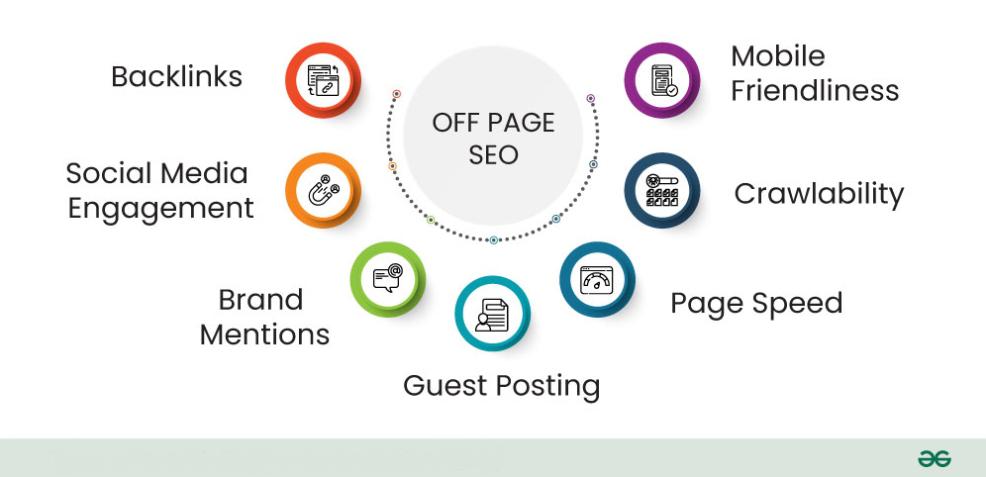
Link building tactics play a key role in improving your website’s authority and search rankings. These strategies help you get quality backlinks from other sites. Search engines see these links as votes of confidence. The more relevant and trustworthy links you have, the better your site performs.
Effective link building requires smart approaches. You want links that bring real value and traffic. Below are some proven methods that can help boost your off-page SEO.
Guest Blogging Benefits
Guest blogging means writing articles for other websites. It helps you reach new audiences and build relationships. You get to share your expertise on trusted sites. These posts often include links back to your site. This increases your visibility and brings referral traffic. It also shows search engines that your site is reliable.
Broken Link Building
Broken link building finds dead links on other websites. You offer your content as a replacement for those broken links. Site owners appreciate this help because it improves their user experience. This method gets you backlinks from relevant sites. It takes some effort but often results in strong links.
Skyscraper Technique
The skyscraper technique involves finding popular content in your niche. You create an even better and more detailed version of that content. Then, you reach out to websites linking to the original post. You suggest they link to your improved version instead. This tactic can attract high-quality backlinks and more traffic.
Resource Page Links
Resource pages list useful links on specific topics. Finding resource pages in your niche can be valuable. You ask the page owner to add your site as a helpful resource. These pages already have good authority and attract relevant visitors. Getting listed here can improve your site’s credibility and SEO.
Social Media Influence
Social media plays a key role in off-page SEO. It helps increase website visibility and drives traffic. Social platforms allow brands to connect with users beyond their site. This connection builds trust and improves search engine rankings. The influence of social media extends through content sharing, community building, and influencer partnerships.
Engaging Content Sharing
Sharing content on social media spreads your message fast. Posts with useful information get shared more often. This sharing creates more backlinks and increases site visits. Content must be clear, interesting, and easy to read. Visuals like images and videos boost engagement. Regular posting keeps your audience interested and returning.
Building Communities
Creating social media groups or pages gathers like-minded users. Communities encourage conversations about your brand or niche. Active communities generate user-generated content and authentic reviews. This activity signals search engines about your site’s relevance. Responding to comments shows you value your audience. Strong communities increase brand loyalty and website authority.
Leveraging Influencers
Influencers have trust and large followings. Partnering with them can expose your brand to new audiences. Influencers share your content in a natural, relatable way. This sharing drives quality traffic and improves SEO signals. Choose influencers who fit your niche for best results. Genuine influencer endorsements boost credibility and search rankings.
Online Reputation Management
Online reputation management plays a key role in off-page SEO. It shapes how people see your brand online. Good reputation builds trust and attracts more customers. Managing your reputation means paying attention to what others say about you. This helps improve your search rankings and brand image.
Responding To Reviews
Replying to reviews shows you care about customer opinions. Thank positive reviewers to encourage loyalty. Answer questions clearly and politely. This builds a positive image and encourages others to trust your brand. Quick responses can turn a simple review into a strong connection.
Encouraging Positive Feedback
Ask happy customers to leave reviews. Make it easy for them to share their experiences. Positive feedback boosts your online reputation and search rankings. Show appreciation for every comment. This motivates more people to share good words about your business.
Handling Negative Comments
Address negative comments calmly and professionally. Acknowledge the issue and offer solutions. Avoid arguing or ignoring problems. This shows responsibility and care. Handling complaints well can turn unhappy customers into loyal ones. It also limits damage to your reputation.
Local Seo Strategies
Local SEO strategies help businesses connect with nearby customers. These methods improve your visibility on search engines for local searches. They boost your chances of showing up in local maps and listings. Focus on simple steps to make your business easy to find.
Optimizing Google My Business
Google My Business (GMB) is key for local SEO success. Claim your business profile and fill out every detail. Use accurate address, phone number, and business hours. Add clear photos and respond to customer reviews. Regular updates keep your profile fresh and trustworthy.
Local Citations
Local citations are mentions of your business on other websites. These include online directories and local business listings. Ensure your name, address, and phone number match exactly everywhere. Consistency helps search engines trust your business. Check for errors and fix them quickly.
Local Link Opportunities
Links from local websites improve your local search ranking. Connect with local bloggers, news sites, and community groups. Sponsor events or join local business associations. These actions create chances to earn valuable local backlinks. Quality local links boost your authority and trust.
Content Marketing Outside Your Site
Content marketing outside your site helps build your brand and reach new audiences. It involves sharing valuable content on other platforms to attract attention and gain backlinks. This boosts your site’s authority and improves search rankings.
Creating engaging content beyond your website encourages people to learn about your business. It also increases trust and drives traffic back to your site. Here are some effective off-page content marketing techniques to try.
Infographics And Visuals
Infographics make complex information easy to understand. They catch the eye and get shared widely on social media and blogs. Creating clear and attractive visuals helps spread your message fast. Other sites may use your infographics and link back to you.
Visual content stands out in crowded online spaces. It offers quick facts and data in a fun format. Sharing infographics on platforms like Pinterest or industry forums can increase your online presence.
Podcast Appearances
Being a guest on podcasts lets you reach targeted audiences. You share your expertise and tell your story through conversations. This builds credibility and creates interest in your brand.
Podcasts often have loyal listeners who trust the host. Your message reaches engaged people likely to visit your site. Podcasts also offer backlinks from show notes, helping SEO.
Video Marketing
Videos grab attention and keep viewers engaged longer. They explain ideas clearly and show your personality. Posting videos on YouTube or social media extends your reach.
Short, informative videos work well for tutorials, tips, or product demos. Videos encourage shares and comments, boosting visibility. They often rank high in search results, driving traffic to your site.
Forum And Community Engagement
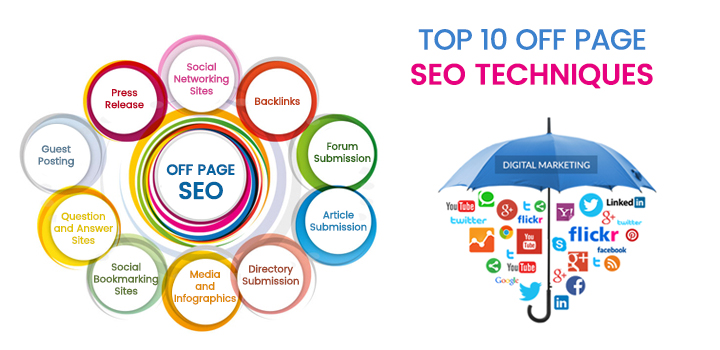
Forum and community engagement plays a key role in off-page SEO techniques. It helps build trust and connect with your target audience. Engaging in relevant online spaces can boost your website’s visibility and reputation.
Active participation shows you are part of the community. It also drives traffic to your site. Here are some ways to use forums and communities effectively for SEO.
Participating In Niche Forums
Join forums that focus on your industry or niche. Share useful advice and insights. Avoid hard selling your products or services. Instead, offer genuine help and answers.
Consistent participation builds your presence and credibility. Other members start trusting your expertise. This trust can lead to natural backlinks and traffic.
Answering Questions On Q&a Sites
Q&A platforms like Quora or Stack Exchange allow you to solve problems. Find questions related to your field and provide clear, helpful answers.
Include relevant links to your website only if it adds value. This approach drives interested visitors and improves your site’s authority.
Building Authority Through Comments
Leave thoughtful comments on blog posts and articles in your niche. Avoid generic phrases. Add meaningful points that contribute to the discussion.
Well-crafted comments show your knowledge and encourage readers to visit your site. Over time, this builds your online reputation and authority.
Monitoring Off-page Seo Progress
Monitoring off-page SEO progress helps measure the success of your efforts. It shows which tactics bring value and which need change. Tracking progress keeps your strategy effective and focused.
Tracking Backlinks
Backlinks are links from other sites to yours. They improve your site’s reputation and ranking. Check new backlinks regularly to see who links to your site. Note the quality and relevance of these links. Remove or disavow harmful or spammy backlinks. Consistent tracking ensures your link profile stays strong and natural.
Analyzing Referral Traffic
Referral traffic comes from visitors clicking links on other websites. It indicates how well your off-page SEO drives visitors. Use website analytics to identify referral sources. Understand which sites send the most traffic. Focus on building relationships with those high-traffic sources. This helps grow your audience and improves SEO results.
Using Seo Tools
SEO tools simplify off-page SEO monitoring. Tools like Ahrefs, Moz, or SEMrush track backlinks and referral traffic. They provide reports on link quality and site authority. Use these insights to adjust your strategy quickly. Regular tool use saves time and reveals opportunities for improvement.
Frequently Asked Questions
What Is Off-page Seo And Why Is It Important?
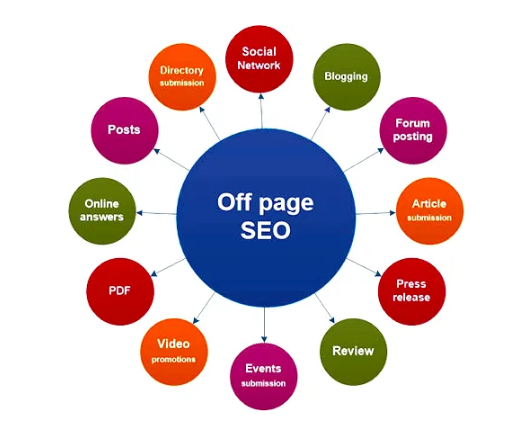
Off-page SEO refers to actions taken outside your website to improve rankings. It builds site authority and trust. Key techniques include backlinking, social media marketing, and influencer outreach. Strong off-page SEO boosts organic traffic and search engine credibility.
How Do Backlinks Improve Off-page Seo?
Backlinks are links from other sites to yours. They act as votes of confidence for search engines. Quality backlinks increase domain authority and ranking potential. Focus on earning relevant, high-authority backlinks to maximize SEO benefits.
What Role Does Social Media Play In Off-page Seo?
Social media boosts brand visibility and drives referral traffic. Sharing content on social platforms increases link opportunities and engagement. Active social profiles help search engines recognize your site’s relevance and popularity.
Can Influencer Marketing Enhance Off-page Seo?
Yes, influencer marketing can generate quality backlinks and mentions. Influencers share your content with targeted audiences, increasing reach. This builds brand authority and can lead to more organic links.
Conclusion
Off-page SEO helps improve your website’s trust and ranking. Building quality backlinks is key. Engage with your audience on social media platforms. Share useful content to attract more visitors. Regularly monitor your online reputation and mentions. These steps create a strong online presence.
Stay patient; results take time to show. Keep learning and adapting to changes in SEO. Consistency matters more than quick fixes. Off-page SEO supports your site’s growth and visibility.