
Thinking about building a website but worried about the cost? You’re not alone.
Understanding website development cost can feel confusing and overwhelming. But knowing what affects the price can help you make smarter decisions and avoid surprises. You’ll discover the key factors that shape your website’s cost and how to get the best value for your money.
Keep reading to unlock the secrets to budgeting your perfect website without breaking the bank.
Factors Influencing Website Costs
Website development cost depends on many factors. These factors affect the total price and project time. Understanding these elements helps plan a budget well. Knowing what influences costs allows better decision-making for the website.
Design Complexity
Simple designs cost less. Complex designs with custom graphics or animations raise the price. Unique layouts and mobile-friendly features need extra work. More design details mean higher costs and longer development time.
Functionality Requirements
Basic websites need less functionality and cost less. Advanced features like e-commerce, user accounts, or booking systems increase costs. Integrating third-party tools or custom software also raises the price. More functions require more coding and testing.
Content Creation
Content includes text, images, and videos. Writing unique text and creating media costs money. Using stock images is cheaper than custom photos or videos. More pages and richer content increase cost and time needed.
Hosting And Domain
Web hosting stores the website online. Different plans have different prices based on speed and space. Domain names must be bought yearly. Premium domains cost more. Reliable hosting improves website performance but costs more.
Maintenance And Updates
Websites need regular updates to stay secure and work well. Maintenance includes fixing bugs, updating software, and backing up data. Some plans offer ongoing support for a monthly fee. Without maintenance, the site may face issues that cost more later.
Types Of Websites And Their Expenses
Website development costs vary based on the type of website you need. Different websites have different features and complexities. These differences impact the overall price. Understanding the types of websites helps plan your budget wisely.
Personal And Portfolio Sites
Personal and portfolio websites are simple and straightforward. They display your work, resume, or hobbies. These sites usually have a few pages and basic design. Costs are low, often ranging from $500 to $2,000. You pay for design, hosting, and domain name. Maintenance costs are minimal.
Small Business Websites
Small business websites need more features than personal sites. They include contact forms, service descriptions, and sometimes blogs. Design is more professional to attract customers. Development costs range from $2,000 to $10,000. Extra costs may include SEO and content creation. These sites need regular updates and maintenance.
E-commerce Platforms
E-commerce platforms sell products online and require complex functions. Shopping carts, payment gateways, and product pages increase costs. Prices start around $5,000 and can exceed $50,000. Security and speed are critical and add to expenses. You also pay for ongoing support and marketing tools.
Custom Web Applications
Custom web applications are highly complex and unique. They serve specific business processes or user needs. Development requires skilled programmers and long hours. Costs can start at $10,000 and go much higher. These applications need continuous updates and dedicated support. Planning and clear requirements reduce cost overruns.
Budgeting Strategies For Web Development
Planning a web development budget can feel tricky. Many factors affect the total cost. Smart budgeting helps avoid surprises and keeps the project on track.
Breaking down the process into clear steps makes it easier. Focus on what matters most. Allocate funds wisely. Prepare for changes down the road.
Setting Realistic Expectations
Understanding what your budget can cover is key. Websites vary in complexity and price. Simple sites cost less. Complex sites need more time and money.
Expect to spend on design, development, and testing. Add some buffer for unexpected costs. Knowing these helps avoid overspending.
Prioritizing Features
List all desired features before starting. Rank them from most to least important. Focus on essentials first to stay within budget.
Extra features can wait for later updates. This approach saves money and speeds up launch. It also allows learning from real users.
Choosing Between Diy And Professional Help
Building a site yourself saves money upfront. It suits small, simple projects. But it takes time and skill.
Hiring professionals costs more but ensures quality. They handle technical tasks and fix issues fast. Choose based on your skills and budget.
Planning For Future Growth
Think about how your site may grow. Design with flexibility in mind. Avoid costly redesigns later.
Invest in scalable hosting and easy-to-update platforms. This reduces future expenses. Prepare your site to handle more traffic and features.
Cost Breakdown By Development Stages
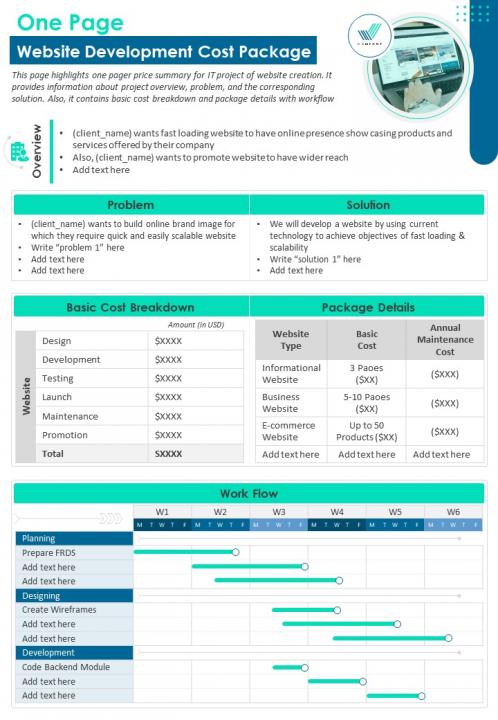
Understanding the cost breakdown by development stages helps plan your budget better. Each stage involves specific tasks and resources. These tasks affect the total website development cost. Knowing what happens at each stage makes the process clear and less stressful.
Planning And Research
This stage defines the project’s goals and target audience. It includes market research and competitor analysis. Planning sets the foundation for the entire project. Costs cover time spent on meetings and strategy sessions.
Design And Prototyping
Designers create the website’s look and feel here. Prototypes show how the site will work before coding starts. This stage includes wireframes and user interface designs. Costs depend on design complexity and revisions needed.
Development And Coding
Developers write the actual code that builds the website. They add features and ensure the site works on all devices. This is often the most time-consuming stage. Costs vary based on website size and required functions.
Testing And Launch
Testing finds and fixes bugs before the site goes live. It ensures the website runs smoothly and loads fast. After testing, the site is launched for public use. Costs cover quality assurance and launch support.
Hidden Costs To Watch Out For
Website development often has costs that are not clear at first. These hidden costs can make your budget go up quickly. Knowing these extra expenses helps you plan better. Avoid surprises by understanding what to watch out for.
Third-party Integrations
Many websites use tools like payment gateways or chatbots. These services usually charge fees. Sometimes, there are setup or monthly costs. Choosing many integrations can add up fast. Check all costs before adding these features.
Seo And Marketing
Building a website is only the start. To get visitors, you need SEO and marketing. These services cost money and take time. Good SEO improves your site’s ranking on search engines. Marketing spreads the word about your site. Budget for these to keep your site visible.
Security Measures
Keeping your website safe is important. Security tools like SSL certificates or firewalls often cost extra. Some need regular updates or monitoring. Without proper security, your site risks attacks or data loss. Plan for these costs to protect your site and users.
Ongoing Support
Websites need maintenance after launch. Fixing bugs and updating software costs money. Some developers offer support plans with monthly fees. Without support, small problems can grow bigger. Include ongoing support in your budget to keep your site running smoothly.
Tips To Reduce Website Development Costs
Reducing website development costs is key for many businesses. Smart choices can save money without losing quality. Simple strategies help keep budgets low and projects on track.
Focus on tools and methods that cut expenses. Use resources that are affordable and easy to manage. This section shares tips to lower your website development costs effectively.
Using Templates And Themes
Templates and themes offer ready-made designs. They cut down on design time and costs. Choose a template that fits your brand well. Customize colors and fonts to make it unique. Templates reduce the need for custom coding.
Leveraging Open Source Tools
Open source tools are free to use and modify. Popular platforms like WordPress and Joomla offer many plugins. These tools provide features without extra charges. They have large communities for support and updates. Using open source software lowers software expenses.
Outsourcing Vs In-house Development
Outsourcing often costs less than hiring full-time staff. It gives access to experts for specific tasks. In-house teams offer more control and faster communication. Assess project size and needs before deciding. Balance cost, quality, and flexibility for best results.
Negotiating With Vendors
Negotiation can reduce costs on services and products. Discuss pricing and ask for discounts or bundled offers. Vendors may offer flexible payment terms. Clear communication builds better deals. Always compare quotes from multiple vendors before choosing.
Common Pricing Models In Web Development
Understanding common pricing models helps you plan your website development budget. Each model suits different project types and client needs. Choose the right pricing model to avoid unexpected costs.
Fixed Price Projects
Fixed price projects have a set cost before work starts. This model works well for small websites with clear requirements. You get a fixed budget and timeline. Changes or extra features may cost more later.
Hourly Rates
Hourly rates charge based on the time spent on the project. This suits projects with flexible or evolving needs. You pay for actual work done. Tracking hours helps control spending.
Value-based Pricing
Value-based pricing sets cost based on the website’s value to your business. Developers estimate how much your site can earn or save. This model aligns cost with the benefits you receive. It requires clear goals and trust.
Subscription Services
Subscription services charge a regular fee, often monthly or yearly. They include website creation, updates, and support. This model fits ongoing website needs and maintenance. It spreads costs over time for easier budgeting.
Frequently Asked Questions
What Factors Influence Website Development Cost?
Website development cost depends on design complexity, features, platform choice, developer expertise, and project timeline. Custom functionalities and responsive design can increase expenses.
How Much Does A Basic Website Typically Cost?
A basic website usually costs between $500 to $5,000. This range covers simple designs, standard features, and minimal customization.
Why Do E-commerce Websites Cost More To Develop?
E-commerce sites require payment gateways, product management, and security features. These add complexity and increase the overall development cost.
Can Ongoing Maintenance Affect Website Development Cost?
Yes, ongoing maintenance includes updates, security checks, and backups. These services add to the total cost over time.
Conclusion
Website development cost depends on many factors like design, features, and time. Small websites usually cost less, while complex sites need more investment. Planning your needs clearly helps control expenses. Choosing the right developer saves money and avoids delays. Always balance quality and budget for the best results.
Remember, a well-built website can grow your business over time. Keep your goals clear and your costs in check. This way, you get a website that fits your needs and budget well.